01 / STRATEGY
Open any bin
Legend says he could. Wildlife guidance says to keep bins secure and give him space.
Real raccoon / Seattle, Washington
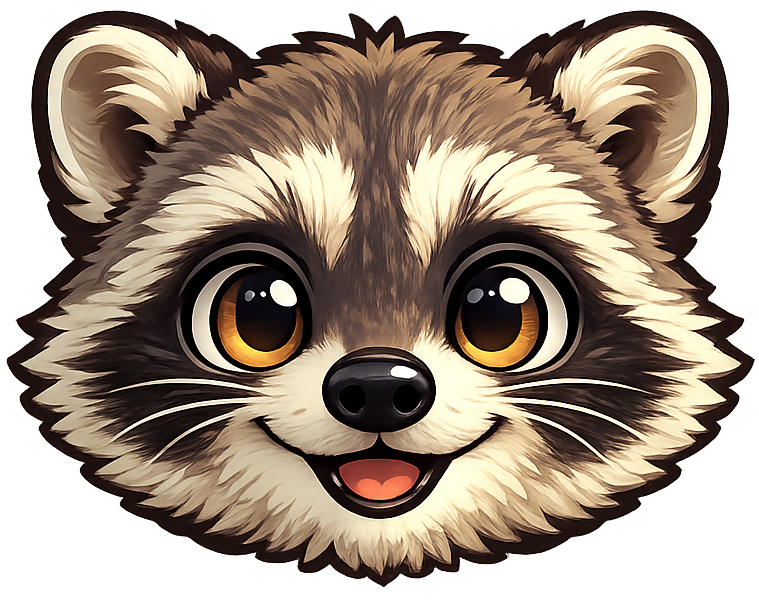
Jimothy is a real wild raccoon living in Seattle. His distinctive, short rounded shape and enormous internet presence made him a viral favorite in July 2026.
A partial inventory
01 / STRATEGY
Legend says he could. Wildlife guidance says to keep bins secure and give him space.
02 / ATHLETICS
Wild raccoons are nimble climbers; that is a reason to admire them from a distance.
03 / DIPLOMACY
A worldwide fan club is nice. Respecting a wild animal's boundaries is better.
Useful, not made up
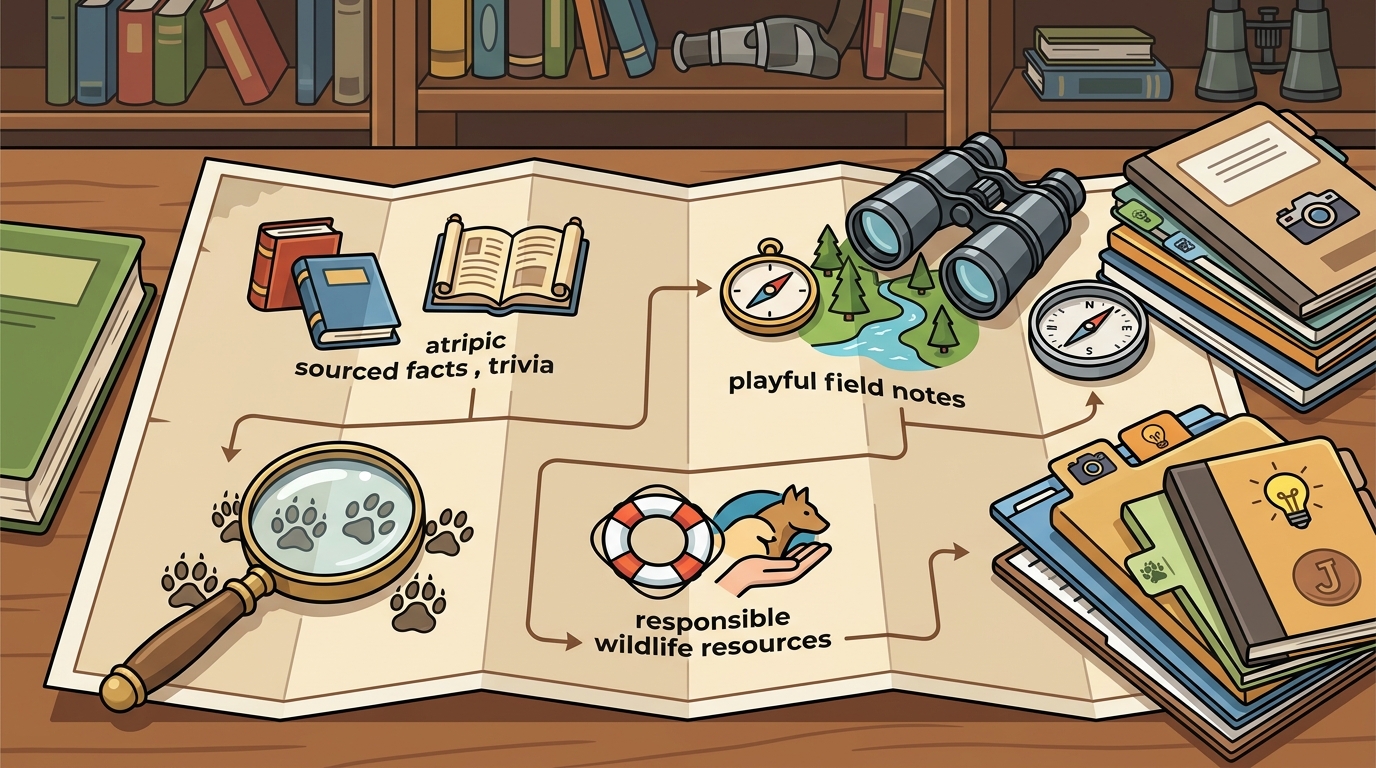
Jimothy deserves a well-sourced fact. These organizations offer real guidance on wildlife, humane coexistence, and getting help when an animal needs it.
Wikipedia
A living overview of the Seattle raccoon, his viral attention, and source links.
Open resource -> (opens in a new tab)National Geographic
A reliable animal profile to start your investigation.
Open resource -> (opens in a new tab)Humane World for Animals
Humane, practical guidance for sharing a neighborhood with wildlife.
Open resource -> (opens in a new tab)Animal Help Now
Find licensed help when an animal is sick, injured, or orphaned.
Open resource -> (opens in a new tab)Leave No Trace
Good outdoor habits for humans, snacks, and future raccoon historians.
Open resource -> (opens in a new tab)National Wildlife Federation
Animal education, activities, and habitat ideas for curious people.
Open resource -> (opens in a new tab)National Park Service
Explore how wildlife protection works across public lands.
Open resource -> (opens in a new tab)Seattle Animal Shelter
City guidance on coexisting with wildlife and finding licensed rehabilitation help.
Open resource -> (opens in a new tab)San Diego Zoo Wildlife Alliance
A detailed zoo guide to raccoon habitats, diet, family life, and conservation.
Open resource -> (opens in a new tab)National Geographic Kids
A kid-focused fact page with photos, maps, and animal videos from a trusted publisher.
Open resource -> (opens in a new tab)Publisher clips
A short watchlist from established news publishers. These are not an official Jimothy channel; enjoy the clips and give the real wild animal plenty of space.
The Seattle Times on YouTube
A quick local introduction to the Seattle raccoon behind the sudden viral attention.
Watch on YouTube -> (opens in a new tab)ABC News on YouTube
A short backyard sighting that keeps the focus on watching wildlife from a distance.
Watch on YouTube -> (opens in a new tab)news.com.au on YouTube
Newly released footage of Jimothy moving through his Seattle neighborhood.
Watch on YouTube -> (opens in a new tab)Selected YouTube channels
These links search only established educational channels on YouTube. A parent or guardian should choose videos and supervise viewing, as YouTube can recommend other content after a video ends.
National Geographic Kids on YouTube
Short animal explainers and facts from National Geographic Kids' official YouTube channel.
Browse videos -> (opens in a new tab)SciShow Kids on YouTube
Kid-oriented science videos from SciShow Kids' official YouTube channel.
Browse videos -> (opens in a new tab)Cincinnati Zoo on YouTube
Animal-care and wildlife videos from the Cincinnati Zoo's official YouTube channel.
Browse videos -> (opens in a new tab)Jimothy journal
Short, friendly dispatches on Jimothy, Seattle wildlife, and appreciating urban animals without becoming a nuisance yourself.
Real-world Jimothy watch
Jimothy fact
The latest confirmed report, from August 6, followed Jimothy's jump from neighborhood sightings to a second T-Mobile Park celebration.
Jimothy fact
MLB.com documented the raccoon mascot's surprise appearance in the Mariners' Salmon Run, where he reached the checkered flag first.
Jimothy fact
Popular Science consulted an ecologist on short-spine syndrome and the practical reason fans should not feed or approach a wild raccoon.
A quick pause for curiosity, a little Jimothy trivia, and one useful reminder: admiration works best from a respectful distance.

Field-note intermission
Jimothy endorses learning before leaping.
Printable field kit
One original Jimothy image per US Letter sheet. Each picture is kept exactly as it appears on the site, scaled to fit a normal home printer page.
Download four printable pages (PDF) ->Which object would Jimothy inspect first: a locked picnic cooler, an empty cardboard box, or a suspiciously quiet garden shed?
Jimothy has not commented. Real raccoons should never be fed or encouraged to investigate human food storage.
With a grown-up, look out a window or take a short walk. Can you spot three clues that an animal has been nearby: a feather, a chewed seed pod, a track, or a bird call? Add the clues to a sketchbook after printing. Watch, do not feed, and leave every wild animal plenty of room.
Each front paw has five long toes that work a little like tiny hands. Raccoons use them to feel and explore objects, especially when a little water makes the surfaces easier to investigate.
They can. A raccoon's back ankles rotate far enough to point its hind feet downward, helping it grip a trunk as it climbs down. That is an excellent trick, not an invitation to test it near your picnic.
Not exactly. When raccoons dip food in water, they may be feeling and examining it with their sensitive paws. It looks like washing, but it is more like a very thorough inspection.
Raccoons are usually most active at night, when their strong senses of touch, smell, and hearing help them travel and forage. Seeing one in daylight does not automatically mean it is sick.
Plain answers
Yes. Jimothy is a real wild raccoon living in Seattle. This site uses friendly mascot art, but the animal himself deserves space, respect, and no human handling.
Start with the resources above, your local wildlife agency, or a licensed rehabilitator. Do not feed or attempt to handle a wild raccoon.
It is a fast, friendly, public collection of real Jimothy facts, raccoon learning links, playful field notes, and reminders to enjoy wildlife responsibly.